
Home / Resources
BMITC RESOURCES
BMITC Resource Center
Explore knowledge, experience and in-depth documents on IT infrastructure, cloud, digital transformation, AI and security.
Practical guides
Understand it. Do it right. Verify it. Start with the conditions that apply, follow each step and check the results in the context of your own system.
ⓘ Illustrative list — proposed articles, not yet published
PROPOSED
Test your data recovery
Prepare a test scope, check the recovered data and record the results before changing your backup plan.
Owner: pending approval · Updated: pending approval
Read the guide
PROPOSED
Review Microsoft 365 document sharing
Check recipients, link scope and how to revoke sharing permissions in line with your organization's policy.
Owner: pending approval · Updated: pending approval
Read the guide
PROPOSED
Prepare to move applications to the cloud
List applications, data, dependencies and test criteria to prepare your migration plan.
Owner: pending approval · Updated: pending approval
Read the guide
PROPOSED
Set up an approval workflow
Define the starting point, approvers, conditions for moving to the next step and how to test a sample workflow.
Owner: pending approval · Updated: pending approval
Read the guide
PROPOSED
Prepare data for an intelligent assistant
Review data sources, access rights and a set of test questions before putting the assistant into use.
Owner: pending approval · Updated: pending approval
Read the guide
PROPOSED
Review access rights
Compare accounts, roles and granted permissions to list what needs to be verified or adjusted.
Owner: pending approval · Updated: pending approval
Read the guideLatest articles & insights
Technology insights tied to real business problems — on infrastructure, cloud, digital transformation, AI and security.
ⓘ Sample content — not yet published

CLOUD
Moving to the cloud: where to start?
Review your applications, data and operations before choosing a migration path.
Editorial team · [Update date]
Read article →

AI
AI: pick one small task
Start with one repetitive task, with clear data and a clear test scope.
Editorial team · [Update date]
Read article →
SECURITY
Security starts with identity
Review access rights to find what needs protecting in your system.
Editorial team · [Update date]
Read article →
From business problem to implementation
See how a business problem is clarified, how an approach is chosen and how implementation is organized — with the context, scope of work and evidence-based results.
Project profiles are being updated
BMITC only publishes profiles it has permission to publish and results backed by approved evidence. In the meantime, you can share a similar problem of your own.
Each project profile will present
01
Context
The business, its existing systems and what needs to change.
02
Challenges
Sticking points in operations, data or security.
03
Implementation scope
Work performed, handover and each party's responsibilities.
04
Approach
The architecture and suitable technology choices.
05
Evidence-based results
Metrics with units of measure, timeframes and verifiable sources.
Understand the solution direction before going deeper
Documents summarizing the business problem, who it applies to and the technology approach for enterprises.
ⓘ Proposed outline — illustrative content
FEATURED BRIEF
Hybrid cloud architecture
An overview of the model, benefits, components and methods for an optimized hybrid cloud deployment in the enterprise.
Backup and recovery
IT infrastructure
Comprehensive data protection, ensuring fast and safe recovery when incidents occur.
View brief →
Digitizing approval workflows
Digital transformation

Speed up approvals and increase transparency and control with fully digitized workflows.
View brief →
Enterprise knowledge assistant
AI
A solution that helps businesses tap internal knowledge, answer accurately and improve productivity.
View brief →
Identity and access management
Security
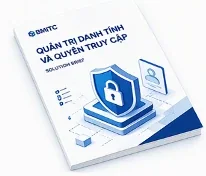
Control identities, assign access rights and protect enterprise resources.
View brief →
Data protection and compliance
Security
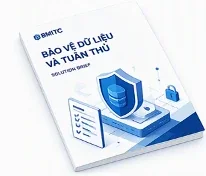
Protect data, meet compliance requirements and reduce information security risks.
View brief →
ⓘ Version, update date and author come from approved data.
Load more briefsGo deeper

Read the related solution article
Read about the approach, architecture and applicable conditions in the main solution article.
Explore solutions →

Find files in Downloads
Look up files with their version and usage rights.
View downloads →

From brief to the right approach
Read the main solution article to learn about the architecture, technology and applicable conditions.
Want to apply this to your system?
Share your needs and work with BMITC to clarify the next step.
Discuss your needs with BMITCThe right documents. Easy to find, easy to download.
Check the description, version and terms of use to choose the right document before downloading. Public documents do not require contact details.
Document
File information
Action
Infrastructure assessment checklist
Record the current state of servers, storage, network and operational needs.
File: pending approval
Version: pending approval
Rights: pending confirmation
Download · pending approval
Cloud migration preparation guide
Information to prepare about applications, data, connections and operational requirements.
File: pending approval
Version: pending approval
Rights: pending confirmation
Download · pending approval
Data protection checklist
Reference questions on data classification, access rights, sharing and retention.
File: pending approval
Version: pending approval
Rights: pending confirmation
Download · pending approval
ⓘ Illustrative content, not yet published. Please check the terms of use of each document before downloading and sharing.
View more documentsFind answers. Know the next step.
Look up questions about products, services, implementation and operations. Choose a topic to see the relevant answers.
ⓘ Proposed answers — pending BMITC approval
Getting started with BMITC
Where should I start the conversation?
Share your goals, the systems you use and what is holding you back. You don't need a ready-made solution; this information helps clarify your needs and the next step before choosing technology.
Get advice →
What should I prepare before a consultation?
Prepare a description of your current state, what needs to change, the number of users or devices if known, integration requirements and your target timeline. Do not send passwords, access keys or sensitive data through public forms.
Which technology areas does BMITC support?
BMITC focuses on IT infrastructure, cloud, digital transformation, AI and security. The specific scope is described on each published product, service and solution page.
Explore solutions →
Do I need detailed technical documents before getting in touch?
No. A short description of your current state and goals is enough to start. Technical details are clarified gradually as the discussion goes on.
Which industries does BMITC work with?
BMITC works with businesses across many industry groups. Project information is only published with the customer's permission; talk to us to hear examples relevant to your industry.
Send a consultation request →
What happens after I send a consultation request?
BMITC reviews your information and gets back to you to clarify your needs, current state and goals. Together we then agree on a suitable next step, such as a detailed discussion or a current-state assessment.
Products & licensing
How do products, services and solutions differ?
Products are the tools or platforms you can find in the online store. Services describe work such as consulting, implementation and operations. Solution articles explain how technology connects to a business problem; they do not replace a quotation or a service scope.
View products in the store ↗ · View services · Explore solutions
How do I choose the right product or license?
Start with the functions you need, your users, devices and deployment environment. Check the conditions of the specific product before deciding; don't assume a whole product family shares one license. Usage rights, prices and purchase terms need to be confirmed in the product information or quotation.
Where can I see product information and request a quotation?
Product information is available in BMITC's online store. Prices and purchase terms are confirmed in a quotation based on your specific needs.
View products in the store ↗ · Request a quotation
Can software licenses be renewed or changed to another plan?
This depends on the license type and each vendor's terms. Share your current license and what you need to change so the specific conditions can be checked before you decide.
Does BMITC supply products from multiple vendors?
The list of vendors and products is updated in the online store. Some products are supplied on request and need to be confirmed at quotation.
Visit the store ↗
Can I try software before buying?
This depends on each vendor's policy. Some products offer a trial version or a demo; send a request to check availability for the product you are interested in.
Send a request →
Implementation & migration
What needs to be clarified before implementation?
Agree on goals, scope, integration requirements, working conditions and acceptance criteria. Implementation, testing and handover should be tied to the approach both parties have agreed.
How are migration timing and scope determined?
Existing applications, data, connections and operational requirements need to be reviewed before planning. Timing, scope, testing and the rollback plan must be confirmed case by case; no single timeline applies to everyone.
Can implementation be done in phases?
Phasing can be considered when the scope, dependencies between systems and acceptance criteria for each phase are clearly agreed. The right breakdown is clarified when discussing the approach.
View implementation services →
How is data handled during migration?
The data scope, backup plan, verification method and rollback plan should be agreed before work begins. Data access is only granted within the agreed scope of work.
Will implementation affect day-to-day operations?
The implementation plan should define timing, the scope of impact and a contingency plan to limit disruption. The actual impact depends on each system and is communicated before the work is carried out.
What handover documents will I receive after implementation?
The handover list, such as configuration information, administrator accounts and operating guides, is agreed in the approach and acceptance record of each project.
Cloud & security
Does every system need to move to the cloud?
No single approach should be chosen for every system. Start with your applications, data and how the business operates, then consider the suitable approach and how it connects to existing infrastructure.
View cloud solutions →
Where should I start with security?
Look at identity, devices, network, cloud and data as one system. Clarify what needs protecting and who has access before choosing tools; don't treat any single product as a guarantee of absolute safety.
View security solutions →
Should I choose public, private or hybrid cloud?
The choice depends on data requirements, compliance, operating costs and connections to existing systems. The “Hybrid cloud architecture” brief helps compare the approaches.
View solution briefs →
Is multi-factor authentication necessary?
It is a measure worth considering for accounts that access important systems and data. The rollout should suit your organization's policy and the user experience.
How can cloud costs be controlled?
Monitor usage, set cost alert thresholds, choose configurations that match actual workloads and regularly review resources no longer in use.
Read related articles →
How do I know if my system has security risks?
A current-state assessment helps identify weaknesses in configuration, access rights and patching. The results are used to prioritize the measures to take.
View assessment services →
Support & operations
How is support time determined?
The scope of work, response time, priority levels and responsibilities need to be confirmed in the applicable service agreement. This FAQ does not replace a service-level commitment.
Discuss support scope →
What information should I provide when I need support?
Describe the system involved, the symptoms, when they appeared and the impact on work. Remove sensitive data from screenshots or logs before sending. Do not include passwords or access keys in public requests.
Does BMITC offer regular system administration and maintenance?
Administration, maintenance and technical support services are described on the Services page. Specific scope, frequency and responsibilities are confirmed in the service agreement.
View services →
How can I track the status of a support request?
The channel and how status updates are provided will be communicated when your request is received. An online support center only opens once the intake process has been confirmed.
Is support provided remotely or on-site?
The form of support depends on the type of incident and the service agreement. Many issues can be resolved remotely with suitable access; cases involving equipment may require on-site support.
Are there regular reports on system status?
Report content and frequency are agreed in the operations service agreement, for example backup status, updates and incidents handled.
Resources & contact
Where can I find guides and documents?
Right here on this Resources page: choose Knowledge Base for step-by-step guides, or Downloads for reference files. Download buttons only appear when an actual file is cleared for publication.
What if I can't find a suitable answer?
Send your question with a short description of your need or issue through the Contact form. There is no need to send access credentials or sensitive data.
Send a question →
Can I share documents downloaded from this page?
Please check the terms of use included with each document. Don't assume every document may be copied, edited or redistributed.
View downloads →
How is resource content updated?
Each item states the responsible owner and the update date. If you'd like to suggest a new topic, send it through the Contact form.
Send a suggestion →
Is the Resources page available in Vietnamese?
The website is available in Vietnamese and English. The language switcher leads to the matching content once the translation has been approved.
How can I contact BMITC?
You can submit the form on the Contact page. BMITC's official contact information is published on that page.
Go to the Contact page →
Infrastructure & servers
When should servers be upgraded or replaced?
Consider current performance, stability, the vendor's support period and upcoming growth needs. A current-state assessment helps decide whether to upgrade, replace or move part of the workload to the cloud.
View assessment services →
What are the benefits of server virtualization?
Virtualization consolidates resources, allocates them flexibly and simplifies backup and recovery. Before deploying, assess licensing, hardware resources and your team's operating skills.
What should I prepare for an infrastructure assessment?
A list of devices, running applications, a network diagram and storage capacity if available. You can refer to the checklist in Downloads.
View downloads →
Which businesses suit centralized data storage?
Centralized storage suits businesses whose data is growing quickly, where several departments share data, or where unified permissions and backup are needed. Capacity and configuration should be based on actual usage and expansion plans.
What should I check first when the internal network is slow or unstable?
Review switches, wireless access points, cabling and bandwidth usage. A site survey helps identify the cause and propose a suitable improvement.
Request a survey →
What basic conditions should a server room meet?
Factors usually considered include backup power, cooling, access control, rack layout and tidy cabling. Specific requirements depend on the size and criticality of the system.
Backup & recovery
How often should backups run?
Backup frequency depends on how often data changes and how much data the business can afford to lose in an incident. Each type of data may need a different backup schedule.
Why test recovery regularly?
A backup only has value if it can be restored. Regular testing in a test environment helps detect errors early and estimate actual recovery time.
Read the recovery testing guide →
Should backups be kept off-site or in the cloud?
Keep multiple backups, with at least one stored separately from the main system. When choosing where to store them, consider cost, bandwidth and data regulations.
How does backup differ from data synchronization?
Synchronization keeps copies of data identical, so when a file is deleted by mistake or encrypted, the change is synchronized too. Backup keeps multiple versions over time so you can restore to a point before the incident.
Do backups help protect against ransomware?
Backup is an important layer of protection for recovering after an incident. Backups should be kept separate from the main system, with limited access and at least one copy that cannot be altered.
View security solutions →
What should a disaster recovery plan define?
The plan should define priority systems, acceptable recovery time, how much data loss is acceptable, who is responsible and the steps to take. It should be rehearsed and updated regularly.
Microsoft 365 & collaboration
Which Microsoft 365 plan should a business choose?
The choice depends on the functions you need, the number of users and your security and administration requirements. Don't assume all plans have the same functions; compare them before buying.
View plans in the store ↗
Can email be migrated from an old system to Microsoft 365?
A migration can be planned after reviewing the source system, mailbox sizes and a suitable time. Scope and method are confirmed in the migration plan.
View migration services →
How can external document sharing be controlled?
Set sharing policies according to your organization's needs and regularly review recipients and link scope. A sharing review guide is available in the Knowledge Base.
Read the guide →
Can we use our own company domain for Microsoft 365 email?
Yes. The domain is verified and its DNS records are configured to send and receive mail. The cutover should be scheduled to limit disruption to incoming mail.
When should we use Teams, SharePoint or OneDrive?
OneDrive suits personal documents, SharePoint suits shared departmental libraries, and Teams is where people talk, meet and work together on those documents. Agree on the structure before rolling out.
View guides →
How are data and accounts handled when an employee leaves?
Administrators can block sign-in, transfer ownership of the mailbox and files to a successor, then reclaim the license. Businesses should have a clear handover process so no data is lost.
AI
Where should a business start with AI?
Choose one repetitive task with clear data and a small test scope, along with criteria for evaluating results. Expand to other tasks only after the test meets expectations.
View AI solutions →
Is internal data safe when using an AI assistant?
This depends on the platform, access configuration and your organization's data policy. Review data sources and permissions before going live; don't put confidential data into tools that haven't been approved.
Will AI assistants replace people?
Assistants help with searching, summarizing and drafting to save time; people still review, decide and remain responsible for the final result.
How should data be prepared before applying AI?
Data should be well organized, up to date, free of duplicates and have correct access permissions. Data quality and organization directly affect the accuracy of the results.
How can results be evaluated after adopting AI?
Choose a few specific metrics before starting, such as task processing time, error count or user satisfaction, then compare before and after the pilot.
Do we need internal rules for employees using AI?
Yes, it's advisable. Rules make clear which tools are allowed, what data must not be entered and who is responsible for checking results before use.
View AI solutions →
Digital transformation & processes
Which processes should be digitized first?
Prioritize processes that repeat often, involve many approval steps or are prone to delays, and whose results can be measured after the change.
View the Digitizing approval workflows brief →
Can new software connect to the systems we already use?
The integration capabilities of both systems, data formats and related business flows need to be assessed. The specific connection scope is confirmed in the implementation plan.
How can employees get used to a new system?
Plan role-based training, concise guides and a parallel-run period if needed. The training scope is agreed in the implementation plan.
Do small businesses need digital transformation?
You can start small, for example sharing documents online, digitizing request forms or managing customers centrally. The scale should match your needs and available resources.
Can repetitive work be automated?
Many tasks such as approvals, reminders, report compilation or moving data between forms can be automated. Describe your current process clearly before choosing a tool.
View solutions →
How can digital transformation results be measured?
Set specific goals for each process, such as shorter processing time or fewer manual steps, and track them regularly to adjust the plan.
Quotations & contracts
What does a quotation include?
A quotation usually states items, quantities, supply conditions and its validity period. Specific details are confirmed in each quotation issued to your business.
Request a quotation →
How does product warranty apply?
Warranty applies according to the vendor's policy and the conditions stated in the quotation or contract. Keep product information and purchase records for warranty claims.
How are payment methods and invoicing agreed?
Payment methods, payment schedule and invoicing details are agreed in the order or contract for each transaction.
How long is a quotation valid?
The validity period is stated on each quotation, since hardware and license prices may change with vendor policies and exchange rates.
Can the scope of work be adjusted after signing a contract?
Yes. Changes to scope, volume or schedule are agreed in writing by both parties, for example in a contract addendum, before being carried out.
Can a business sign a long-term service contract?
Services such as operations, maintenance or license renewal can be agreed by term. Scope, duration and renewal conditions are confirmed in the contract.
Request a quotation →
Explore resources by area
IT infrastructure
Servers, storage, networking and backup.
View resources →
Cloud
Platforms, connectivity and cloud migration.
View resources →
Digital transformation
Processes, data, documents and approvals.
View resources →
AI
Business assistants, data and application limits.
View resources →
Security
Identity, devices, network and data.
View resources →
Connect knowledge with your next step
FAQ
Need a short answer before reading a guide?
View answers →
Downloads
Find reference documents with clear versions and usage rights.
View brief →
Solutions
Want to understand the overall approach rather than a single step?
Explore solutions →
Services
Need to define implementation or operations work?
View services →
Need to compare this with your system?
Work with BMITC to clarify the applicable conditions and next step based on your platform, access rights and how your system operates.